Outdoor Musical Instruments and Music Therapy for Children with Special Needs
Outdoor learning can play an important role in supporting happier, healthier, and more well‑rounded children - particularly those with special educational needs (SEN). For practitioners and educators seeking inclusive, engaging activities that meet a wide range of needs, outdoor musical instruments offer a valuable and accessible solution.
By combining music with the benefits of being outdoors, these instruments encourage creativity, sensory engagement, independence, and emotional well-being. In schools, playgrounds, and community settings, outdoor music offers children opportunities to explore sound and self‑expression in ways that feel safe, intuitive, and pressure‑free.
Music in the Great Outdoors
Outdoor musical instruments in inclusive playgrounds and learning environments provide a welcoming, non‑threatening outlet for creative and emotional expression. Music has the unique ability to engage children without relying on verbal communication, making it especially valuable for those who find traditional learning or social interaction challenging.
Playing music outdoors can be enjoyable, calming, and stress‑relieving. When combined with open space, fresh air, and sensory stimulation, it creates an environment where children with SEN can feel more at ease and open to exploration.
Socially, music is a great leveller. There is no right or wrong way to play, allowing children to experiment freely without fear of failure. This sense of freedom can support confidence, motivation, and self‑esteem – qualities that may then transfer into other areas of learning and daily life.
Through outdoor musical play, children may:
- Express emotions in non‑verbal ways
- Explore rhythm and pattern, supporting physical coordination
- Develop communication and listening skills
- Experience auditory and tactile stimulation through vibration and sound
- Engage independently or alongside others
Because many Percussion Play instruments are tuned to harmonic pentatonic or simple scales, they produce pleasing, harmonious sounds immediately, making them accessible and enjoyable for players of all abilities.
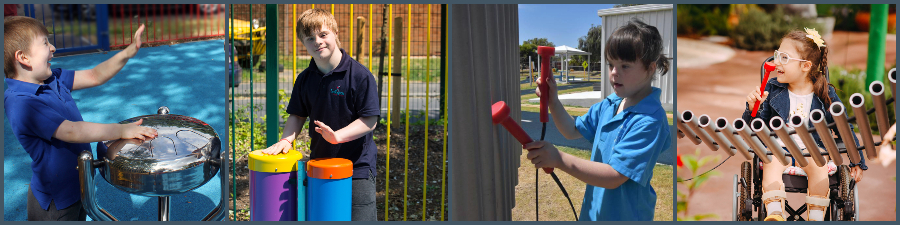
Music, SEN, and Supportive Therapeutic Value
All children have the same need to express themselves. In some settings, outdoor musical instruments may be used alongside or within music therapy sessions led by qualified professionals. Music therapy remains an important clinical discipline, particularly for children who experience challenges with communication, movement, sensory processing, or emotional regulation.
In educational and play environments, however, outdoor musical instruments are more commonly used as supportive tools that complement wider SEN provision. They allow each child to experience music in their own way, without expectation or pressure, whether that involves active participation, gentle exploration, or simply listening.
Many children on the autism spectrum show a strong interest in music. Simple, resonant sounds and predictable rhythms can feel reassuring, helping to create a sense of calm and engagement. Music also provides a non‑verbal way to communicate and connect, which can feel more accessible to some children than spoken language.
Outdoor Musical Instruments for Emotional Expression
Easy access to outdoor musical instruments can provide an important outlet for emotional expression, particularly for children who find it difficult to communicate through speech. Where words may fail, music can offer another way to explore feelings, experiences, and inner worlds.
Children with developmental delays or learning disabilities, including Down syndrome, often respond positively to music. Responses may be subtle or expressive - from a smile or vocal sound to rhythmic movement or shared play. The intuitive, non‑challenging way outdoor instruments are played allows children and adults alike to engage at a level that feels comfortable and meaningful.
Outdoor Musical Instruments for Sensory Disabilities
Outdoor musical instruments also support children with sensory disabilities by offering opportunities for tactile, auditory, and vibrational exploration.
For blind or partially sighted children, musical instruments encourage awareness through sound and touch, supporting imaginative play and spatial understanding. Simple playing actions help develop motor skills and coordination while inviting creative experimentation.
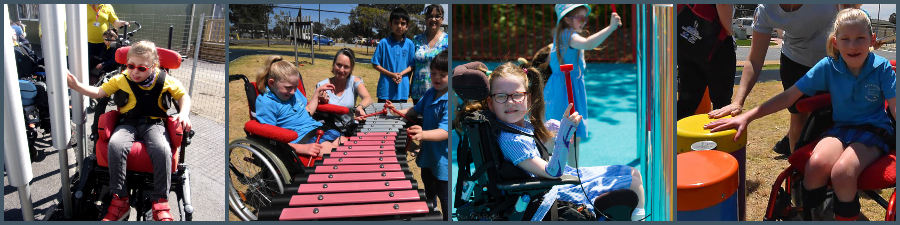
For children with limited mobility, placing hands on vibrating drum surfaces, chimes, or Tubular Bells can elicit positive sensory responses as sound vibrations travel through the body. Adjusting pressure, tempo, or volume allows each child to explore sensory input in a controlled and engaging way.
In inclusive settings, outdoor music can support physical, cognitive, and sensory development while fostering enjoyment, exploration, and shared experiences.
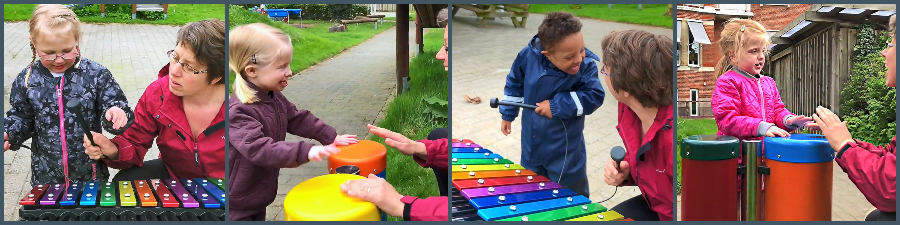
Outdoor Musical Instruments in Health and Care Settings
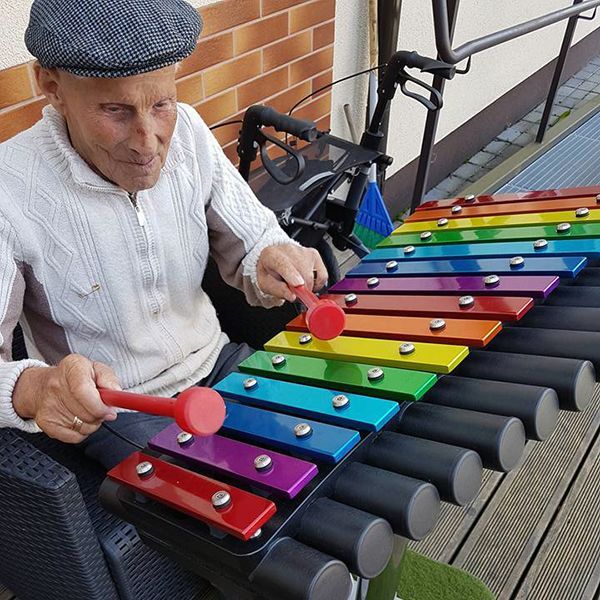
Music is often used to provide comfort, relaxation, and distraction for children undergoing medical procedures or recovering from traumatic experiences. For this reason, outdoor musical instruments are frequently specified for hospital gardens, hospices, and therapeutic outdoor spaces.
In these environments, music can offer moments of calm, familiarity, and enjoyment - whether through active participation or quiet listening. While not a replacement for clinical care, musical engagement can support well-being by providing positive sensory stimulation and emotional relief.
Outdoor Musical Instruments for Socialization and Inclusion
Outdoor musical instruments can be installed individually or arranged in groups to encourage ensemble play. Making music together supports cooperation, turn‑taking, coordination, and shared achievement.
Group music‑making can help foster a sense of belonging and connection, particularly for children who find social interaction challenging. In inclusive outdoor environments, music creates opportunities for natural, supportive, non‑competitive interaction.
At Percussion Play, we aim to make outdoor music accessible to all. Instruments can be installed at varying heights, arranged to suit individual needs, and specified with inclusive layouts to accommodate wheelchair users and children with a wide range of abilities. Bright colors, intuitive designs, and robust construction ensure that outdoor musical instruments remain engaging, safe, and durable in high‑use environments.
If you would like to discuss individual needs or specific requirements, the Percussion Play team is always happy to help. Please call or email us - we would love to talk with you.
Editor’s note:
This article has been updated to reflect current best practice in inclusive outdoor learning and SEN environments. While music therapy remains an important clinical discipline, this article focuses on the supportive role outdoor musical instruments can play in sensory engagement, communication, and inclusive play for children with special educational needs.
Further information on the positive effects of music and the great outdoors can be found within our Insights as well as our White Papers on various music, play, and health-related topics.
By clicking "Subscribe", you confirm that you have read and accepted our Terms and Conditions, Privacy Policy and Cookie Policy.