Outdoor Music Provision in Early Years - Supporting Continuous Musical Play
Music plays a vital role in children’s everyday lives and is an intrinsic part of contemporary culture. From a very young age, most children instinctively engage in music‑making and, unlike many adults, will explore sounds confidently, creatively, and with enthusiasm when given the opportunity.
Children approach music without fear of failure. This openness makes early years settings the ideal place to nurture musical curiosity, creativity, and self‑expression, particularly through continuous provision.
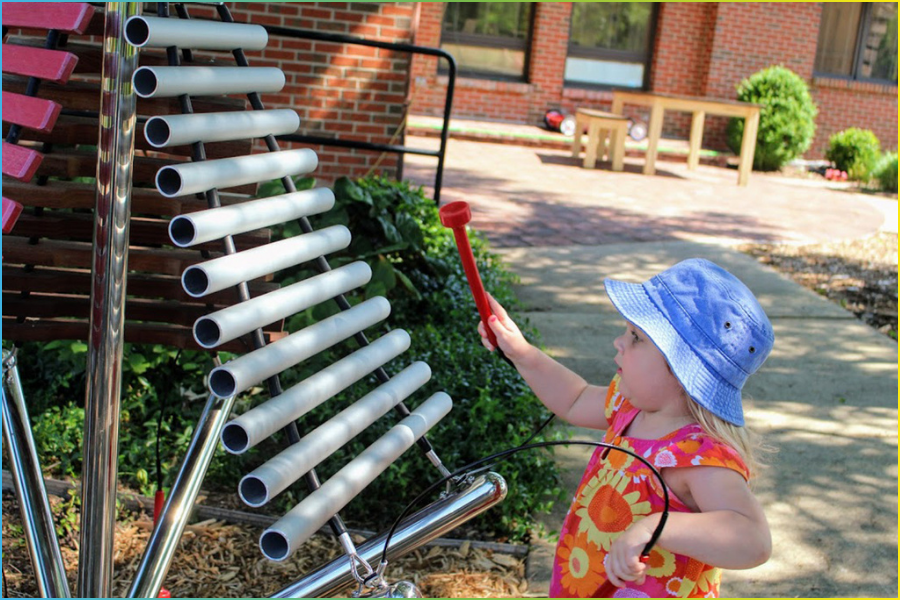
Music in the Early Years Foundation Stage (EYFS)
Music contributes directly to the Early Learning Goal for Listening and Attention and supports learning across the seven areas of learning. For this reason, musical resources should be as readily accessible as pencils, paper, and construction materials.
Music plays an important role in early phonics, especially within Phase 1 Letters and Sounds, where it supports:
- listening skills
- sound discrimination
- rhythm and rhyme
Younger children benefit from regular opportunities to explore musical elements through both adult‑led activities and child‑initiated play. Hands‑on interaction with musical instruments allows children to experiment with sound, structure, and expression in meaningful, developmentally appropriate ways.
Music in Continuous Provision for Early Years Settings
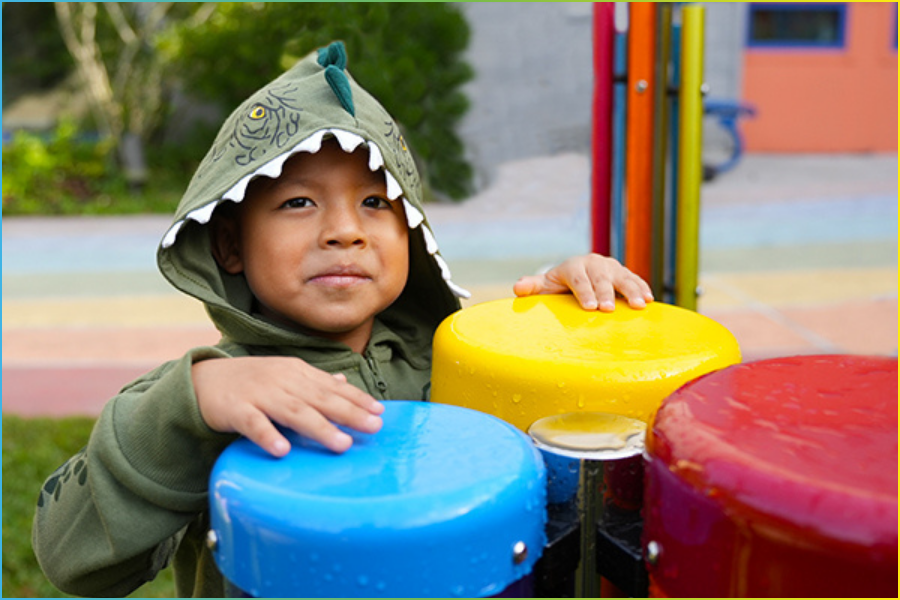
When musical instruments are first introduced into continuous provision, there is often a period of enthusiastic and sometimes noisy exploration. This stage is a valuable learning opportunity.
It allows adults in the setting to:
- model respectful use of instruments
- introduce simple musical language
- encourage experimentation and turn-taking
As familiarity grows, children begin to return to the instruments independently. Being able to repeat actions by choice enables them to consolidate learning, embed skills, and build confidence. This repetition supports children in developing musical understanding at their own pace and through their own interests.
Creating an Effective Musical Learning Environment
The learning environment plays a crucial role in supporting meaningful musical exploration. Early years settings that provide a dedicated music area, whether indoors or outdoors, often observe:
- increased focus
- longer periods of engagement
- greater enjoyment and independence
A thoughtfully designed musical space gives children the freedom to revisit ideas, explore new sounds, and develop their musical confidence without interruption.
Outdoor Music Provision for Continuous Learning
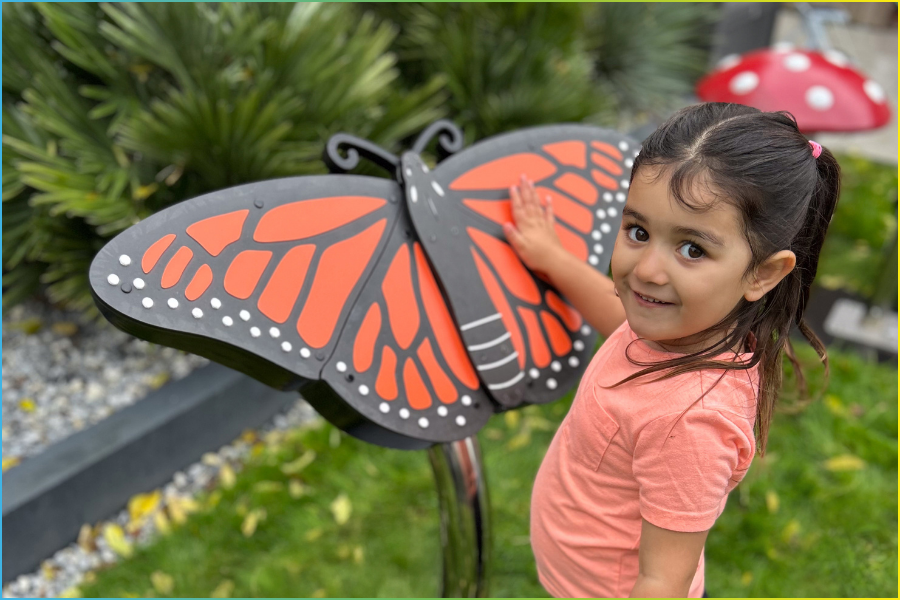
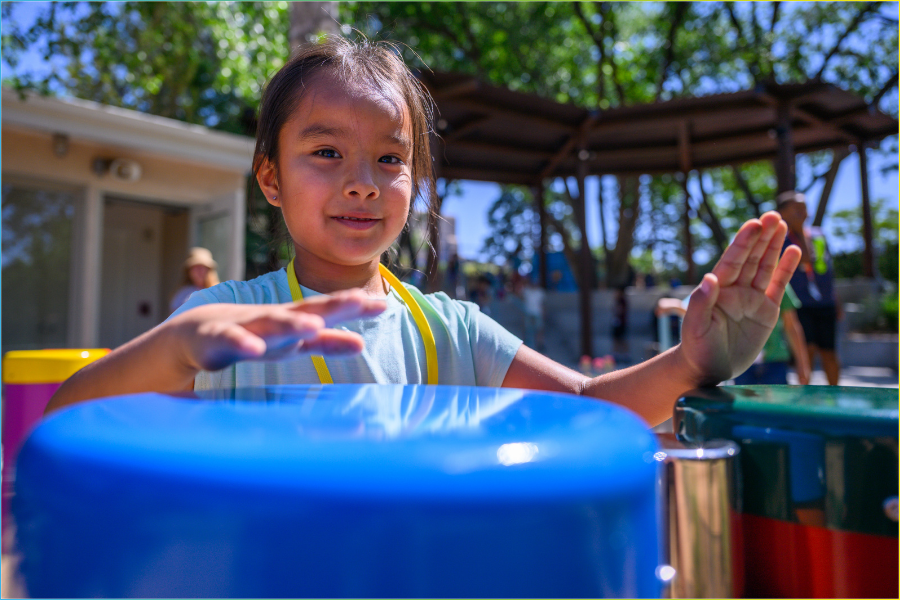
A permanent outdoor music area can significantly enhance music provision in early years settings. Outdoor musical spaces complement adult‑led sessions by allowing children unrestricted access to instruments throughout the day.
Outdoor music provision offers several advantages:
- fewer concerns about noise levels
- greater freedom of movement
- enhanced sensory exploration
Spending time outdoors encourages children to explore the world around them using all their senses. Research suggests it can take children up to 40 minutes to become fully engaged in an outdoor activity. A consistent outdoor musical environment gives them the time they need to plan, experiment, revisit ideas, and repeat activities.
This sustained engagement supports the Characteristics of Effective Learning:
- Playing and Exploring
- Active Learning
- Creating and Thinking Critically
Dedicating outdoor space to musical instruments can also reduce classroom noise levels while providing all the additional benefits of learning beyond the classroom.
Choosing Outdoor Musical Instruments for Early Years
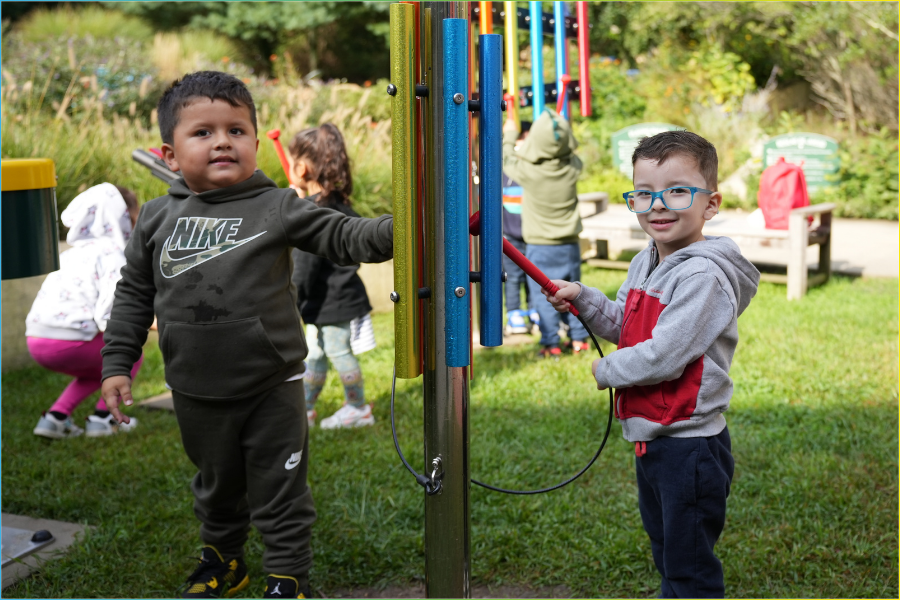
Resources within continuous provision should be safe, open‑ended, and engaging. While children can be creative with traditional percussive instruments, they often become more musically expressive when offered a broader range of sounds.
This does not necessarily relate to the color of the instrument itself - though bright hues are appealing - but rather to the quality of sound produced.
Well‑designed, high‑quality instruments:
- provide richer, more resonant tones
- are more motivating to play
- withstand frequent and enthusiastic use
Permanently installed outdoor musical instruments made from durable, modern materials support year‑round musical play without compromising sound quality.
Tuned and Untuned Instruments in Early Years Music
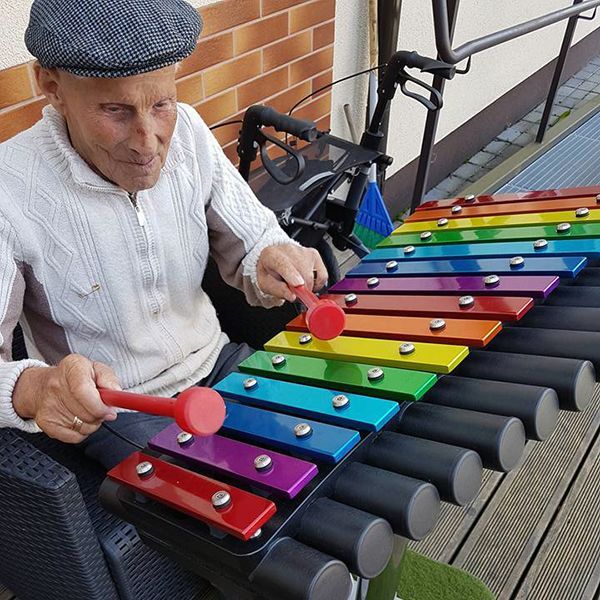
Most early years settings naturally provide untuned percussion, offering varied playing experiences such as striking, shaking, tapping, and drumming. However, tuned instruments can further enhance musical exploration. Tuned instruments produce different pitches, such as high and low sounds, and encourage children to explore melody, structure, and rhythm. Instruments tuned to the pentatonic scale, such as the Rainbow Trio Ensemble, remove notes that clash. This means:
- Children can play freely without discord
- musical exploration sounds harmonious
- confidence and self-esteem are increased
Smaller, tuned instruments with fewer notes are often less overwhelming for young children. This increases their chances of success, leading to feelings of achievement and more meaningful learning moments.
Untuned percussion still plays an important role and now includes a wide range of child‑sized, high‑quality instruments that offer rich and varied sound experiences.
Sound Quality, Durability, and Suitability for Outdoor Play
Sound quality is just as important as durability. Instruments that produce clear, resonant sounds provide a more satisfying and motivating experience, encouraging children to return to musical play again and again. Durable materials ensure instruments remain accessible in all weather conditions, supporting consistent outdoor learning throughout the year.
Observing, Recording, and Valuing Children’s Musical Play
Music can be more challenging to document than visual art because it exists in the moment and then disappears. However, capturing musical play allows practitioners to reflect on children’s learning and development. When listening back to recordings, adults may begin to hear structure, tempo, pitch, and patterns within what initially appeared as random noise. Practitioners might observe:
- clear beginnings and endings
- a steady beat or repeated rhythm
- collaboration or performance elements
Observations of musical play often reveal children:
- expressing feelings through sound, voice, and movement
- experimenting with playing techniques and dynamics
- combining instruments and extending musical ideas
- developing fine and gross motor skills
- working cooperatively with others
Playing recordings back to children and sharing them with families demonstrates that their creativity is valued and listened to, supporting confidence and a sense of achievement.
The Benefits of Music in Continuous Provision
Developmentally appropriate music resources within both indoor and outdoor continuous provision support children to become:
- independent
- imaginative
- cooperative
- confident experimenters
Outdoor musical instruments are also one of the most inclusive options for outdoor play. Unlike some physical equipment, they can be accessed by children of all abilities, encouraging shared experiences and cooperative play. With thoughtful positioning, supportive modeling, and opportunities for repetition, musical discovery through continuous provision can be both joyful and harmonious.
Further information on the positive effects of music and the great outdoors can be found within our Insights as well as our White Papers on various music, play, and health-related topics.
By clicking "Subscribe", you confirm that you have read and accepted our Terms and Conditions, Privacy Policy and Cookie Policy.